
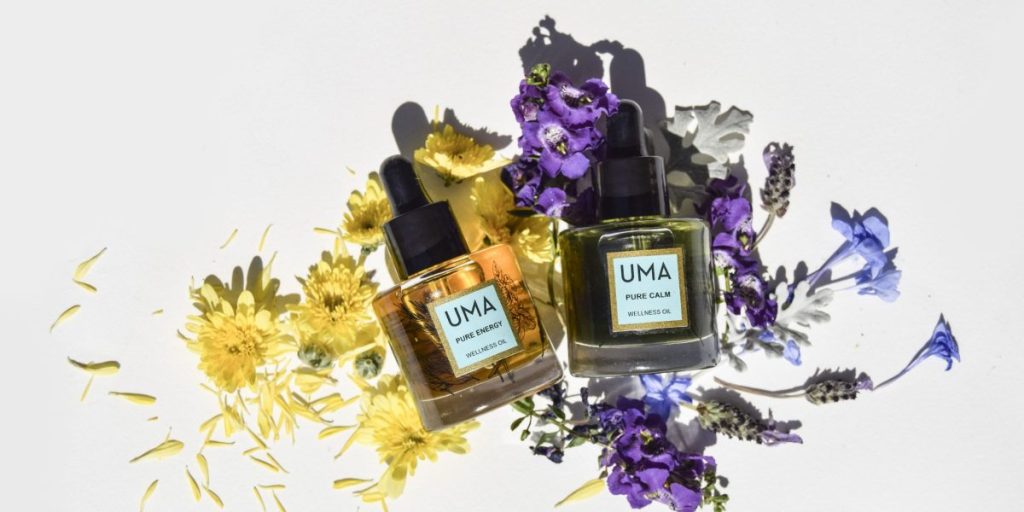
Essential oils are natural oils having the characteristic fragrance and properties (i.e., the very ‘essence’) of the plants from which they are extracted, typically via steam distillation, solvent extraction or expression. Highly fragrant and very concentrated, essential oils have been used for centuries in natural therapy techniques (such as aromatherapy) for their curative effects.
Despite centuries of use and powerful therapeutic properties, how essential oils actually work has remained a mystery to many – often giving them a bad rap that is not very far above ‘snake oil’ grade. However, it is important to acknowledge three fundamental truths about our bodies and many natural occurring substances to aid our understanding of essential oils.
First, natural oils contain many powerful natural compounds that are commonplace in traditional medicine. E.g., Eugenol – a compound that clove oil is very rich in – forms the very backbone of dentistry pain management medications. It follows that essential oils – when applied to the skin – deliver potent benefits by naturally working with the body to harmonize normal function and neutralize crises.
Second, over 80% of what we put on our skin, is absorbed and assimilated into our bloodstream – for better or worse. This is the Transdermal Pathway. Essential oils can permeate the layers of the skin in the same way your moisturizing cream delivers active ingredients to your body. In the subcutaneous skin layer, active compounds can enter the bloodstream and directly affect the nervous system.
The active ingredients of essential oils go directly to work in the brain and nervous system. Essential oils are so effective at permeating the body that some such as eucalyptus are being investigated for use as penetration enhancers with drugs.2
Third, the nasal passageway of sensory perception links directly to our brain. The olfactory system in the upper part of the nose attracts aroma compounds. Your olfactory system is connected to your emotional brain – the limbic system. When lavender essential oil is diffused in the air, for example, the odor is transported as fine particles to the olfactory nerves in your nasal cavity. Receptors then transmit the sensory information to the limbic system. The busy limbic system – which regulates smell, emotions and memory – is responsible for forming our positive and negative associations of smell. The smell of a home cooked meal may remind you of positive memories, or certain aromas like an ex’s cologne can trigger negative emotions. Thus, smells can affect our psychological well-being in a big way, and it’s important to understand and embrace the impact all our sense can have on how we feel.
Armed with some understanding of how essential oils work, let’s delve a little deeper into how essential oils can help improve your mood.
A number of essential oils can decrease cortisol levels, which rise when we are under stress. You may know this reaction as the fight-or-flight response. A colleague at work takes credit for your ideas. Your heart begins to palpitate, your face turns red and your palms sweat.
- Mint aroma compounds are also believed to help manage cortisol levels. A few drops of peppermint essential oil or even peppermint tea can have a very positive impact in times of stress. In addition, this stimulating oil is believed to support focus and mental acuity, and aid overall alertness – giving you that much needed clarity in times of stress
- Calamus can help manage your cortisol levels and reduce stress symptoms and anxiety. Your increased heart rate, blood pressure, and respiration rate will fall back down into normal range, allowing you to calmly address the situation with a clearer mind.
- Sandalwood oil has a deeply grounding effect on the mind and body. Believed to regulate body’s limbic function, Sandalwood oil promotes balance and calm while also stimulating a health sense of confidence
- Lavender: Rich in esters and acetates, Lavender has a very stabilizing effect on mood. Soothes muscle and relieves fatigue
- Chamomile contains the extraordinary chemical Azulene which acts as anti inflammatory and calms nerves, creating a sense of balance when you need it most.
Stress hormones can also beat up on feel-good hormones, endorphins and cause depressive feelings, in addition to anxiety. Essential oils can also help your body stimulate feel-good chemicals and enhance overall mood.
- Essential oils of rose and geranium have long been celebrated for their abilities to give you an emotional lift. Uplifting and calming, these oils create a balancing effect on the mind and the skin. Emotions are balanced, relieving feelings of stress and anxiety.
- Jasmine’s sweet aromas can have a very pleasing and uplifting effect on the mind. Slightly sedative, a dash of jasmine can also promote restful sleep nad helps the body regulate its natural clock.
- The real worth of sage, a staple in many kitchens, may be in its mood-enhancing abilities. Sage aroma compounds may moderate Acetylcholine, an excitatory neurotransmitter whose disruption is a primary cause of depression.
Because they’re so concentrated, essential oils must be handled with care and almost in all circumstances – and be diluted in a carrier before direct application to skin. In some cases – you may get away with a few undiluted applications before you see the sensitivity (but it’s not worth it) – and in others, you’ll experience the burning right away. Treat EOs as you would a potent synthetic skincare ingredient – would you use undiluted retinol (usually doctors recommend a 0.025 or 0.05% to start with!) or hydroquinone or a 100% glycolic acid directly on your skin? Also important to understand is how you can safely use essential oils while pregnant.
Further, at UMA, we believe that, a truly potent skin or wellness oil blend can be much, much more than the sum of its (independently great!) parts and that’s where I believe that our generational expertise comes in. Knowing what oils, and in what proportion, would extend the performance and efficacy of another is as much art as it is science. Sandalwood, for instance, enhances the active lifespan and staying power of other essential oils – and is also wonderfully sublime in its aroma, blending in beautifully with some of the richer top notes such as that of Rose. Another reason we blend with such pristine attention to percentages is to minimize the risk of sensitivity to any one essential oil. Essential oils are powerful substances in arguably a plant’s most concentrated form – we combine our scientific knowledge of their components such as esters or naturally occurring compounds as azulene, with our rich, long study of their behaviors to determine every last percentage of each oil that goes into our blends.