;
INSIGHTS INTO WRINKLES: AYURVEDIC STRATEGIES FOR YOUTHFUL SKIN

Contrary to most Western sciences, in Ayurveda, the process of ‘Jara’ or aging is viewed not as an ailment but as a natural phenomenon that occurs due to the continuation of life.
Now, when it comes to this state of balanced living, several factors affect our bodies, both internally and externally, which are responsible for the disharmonious impressions of old age. These, in turn, lead to the appearance of mature skin with  pronounced wrinkles, fine lines, age spots , and such which are identified as characteristics of ‘Akala Jara’ or ‘premature aging’. 

WRINKLES AND AGE: ‘KALA PARINAMA[1]

As time passes, our bodies experience changes that impact the efficiency of different systems. This can result in saggy skin, wrinkles, and dry patches. As we age, the reduction of elastin and collagen fibers in our skin causes wrinkles. The thinning of the subcutaneous layer, which provides structure, leads to sagging skin. Western medicine attributes this to a loss of collagen and elasticity in skin cells. Ayurveda suggests other factors that contribute to wrinkles and aging skin. Let’s explore these factors and learn how to maintain healthy, youthful skin.

FACTORS CONTRIBUTING TO WRINKLES: [2]

Wrinkles and Sun Exposure

Sun exposure is one of the primary causes of skin damage and wrinkling. Ultraviolet (UV) radiation from the sun can lead to fine lines, wrinkles, brown spots, and other skin irregularities. Protecting the skin from the sun’s harmful rays is crucial to prevent premature aging.

 Skincare Routine and Wrinkles

As you age, your skin becomes more dry, sensitive, and easily irritated. Maintaining a consistent skincare regimen can help preserve your skin’s healthy glow. Cleansing and moisturizing your face twice a day, wearing sunscreen daily, and adding a topical retinoid can be beneficial.

Facial Expressions and Wrinkles

Repetitive movements with muscle contraction can also cause facial wrinkling. Frowning and squinting can cause deep wrinkles to form, particularly on the forehead and around the eyes.  These normal facial expressions, like smiling or raising eyebrows, can lead to wrinkles such as crow’s feet and forehead lines. Being mindful of your facial expressions can help minimize the appearance of these wrinkles.

Smoking and Wrinkles

Smoking not only poses various health risks but also contributes to the development of wrinkles. Research has shown that smokers tend to have more wrinkles, especially fine lines around the mouth. Quitting smoking can help slow down the aging process and improve the overall health of your skin.

ACHIEVING YOUTHFUL SKIN: ‘VARNYA [3]

– Routines or ‘Acharas’

Imbalanced daily routines, like irregular sleep patterns and exercise, along with neglecting self-care, can contribute to wrinkles and lines. Establishing a consistent routine for waking up, sleeping, and eating helps maintain undisturbed circadian rhythms. The body thrives on routine! Sleeping in the same position each night can cause facial wrinkles or creases due to external pressure on the skin. Changing sleep positions or using silk pillowcases helps reduce pressure and prevents wrinkles. Incorporating Abhyanga into your daily routine can provide valuable benefits.

-‘Ahara’ And Exercise: 

Making informed choices about our diet is crucial to prevent premature aging. Poor dietary practices, like irregular meal timings and improper food combinations, can lead to indigestion and accelerate signs of aging. Ayurveda recommends a well-balanced diet with whole foods, such as fresh fruits, vegetables, and grains, comprising at least half of our plate.

To encourage harmonious aging, a Sattvic diet consisting of light and healthy foods like fruits, vegetables, nuts, and oil is recommended. While energy-giving Rajasic foods like meat, fish, milk, and cream should not be overindulged in. It is best to avoid Tamasic foods such as excessive sugars, processed and preserved food, and hard liquor.

In addition to nutrition, unhealthy habits like a sedentary lifestyle and lack of exercise can worsen premature aging and damage to the skin. A diet high in fat and processed foods can impact skin texture and tone, leading to breakouts. Prioritizing a balanced diet and an active lifestyle is essential for maintaining healthy and youthful skin.

Understanding the causes of wrinkles and implementing preventive measures can help maintain healthy skin as we age. By protecting our skin from sun exposure, avoiding smoking, being mindful of facial expressions, repetitive movements, and sleep positions, and adopting a healthy lifestyle and skincare routine, we can promote youthful-looking skin for longer periods. Remember, taking care of your skin is an investment in your overall well-being.

ESSENTIAL AYURVEDIC SPICES FOR EVERY KITCHEN- EXPERT RECOMMENDATIONS

When it comes to Ayurvedic spices, a wide range of herbs can provide numerous health benefits and enhance the flavors of your dishes. We’ve consulted various experts to compile their top recommendations on essential Ayurvedic spices that should be a staple in every kitchen. Let’s delve into these expert suggestions and uncover the marvels of these herbs. So, what are the must-have Ayurvedic spices for your kitchen?

“Your kitchen is a sacred place where medicine lies in the form of food.”

Dr. Vasant Lad

1

Ayurvedic Expert Dr. Remya Krishnan’s Essential Kitchen Herbs [1]:

  • Turmeric [2]: It possesses antibacterial properties and remarkable wound healing capacity, along with antioxidant properties that act as a blood purifier. Additionally, it exhibits diuretic properties and is commonly used as a remedy for coughs and colds.
  • Coriander [3]: Due to its high iron content, seeds are beneficial in the treatment of anemia. They also possess diuretic properties and can aid in reducing high lipid levels in the body.
  • Ginger [4]: known for its numerous health benefits. It can alleviate issues like indigestion, constipation, and bleeding. Additionally, fresh ginger is effective in soothing a sore throat and providing protection against a runny nose and cold. It also offers relief for respiratory problems such as asthma and pneumonia.
  • Black pepper: exhibits carminative properties, providing relief from flatulence. It improves circulation in the body and helps eliminate excessive mucus from the digestive tract, thereby aiding in digestion.
  • Fenugreek seeds [5]: known to aid in the treatment of loss of appetite and indigestion. They enhance appetite and digestive power. Additionally, fenugreek seeds can be beneficial for lactating women to promote lactation.

2

Dr. Zeel Gandhi: An Ayurvedic Expert and Kitchen Herb Enthusiast suggested [6]:

  • Dry Ginger: For everything body pains, indigestion, slow metabolism, etc. 
  • Long pepper [7]: To heal respiratory infections, and to build good immunity against them
  • Cinnamon bark [8]: For ensuring your arteries, heart, and liver are healthy. 

3

Salila Sukumaran: The Ayurvedic expert, shares essential kitchen herbs for optimal health [9]

The use of spices is an important part of Ayurvedic cooking, and spices have medicinal properties that promote digestive health and wellness.

The non-negotiables in an Ayurveda newbie kitchen are: 

  • Turmeric: Turmeric is especially the queen of the spice rack because it has anti-inflammatory properties and helps reduce the risk of chronic diseases.
  • Asafoetida [10]: Its properties are antispasmodic, expectorant, stimulant, emmenagogue and vermifuge. Asafoetida has also been used as a sedative. It also thins the blood and lowers blood pressure. It is widely used in India in food and as a medicine in Indian systems of medicine like Ayurveda.
  • Coriander: Coriander prevents flatulence and controls spasmodic pain as recommended by Ayurveda. Extract of coriander seeds has a marked antispasmodic activity. Coriander contains both Cineole and linoleic acid. These elements pose antirheumatic and antiarthritic properties which help reduce skin inflammations.
  • Pepper: Black pepper is a warming spice and contributes to the pungent taste. It is excellent for pacifying Kapha, helps pacify Vata, and increases Pitta. 
  • Fennel [11]: “In Ayurveda, it holds a special role in digestion. Because of its cooling and sweet properties, it specifically strengthens and warms Agni (the digestive fire) without provoking pitta. As a tridoshic herb, fennel is also balanced for vata and kapha, making it a great digestive choice for anyone to keep on hand.
  • Cumin seeds [12]: Cumin is generally considered to be a heating herb. It is said to stimulate digestion, support the immune system, and help to relieve stress.

“In Ayurveda, every meal is a chance to nourish and heal.”

Ananta Ripa Ajmera [13]

Explore the extraordinary realm of Ayurvedic spices! While the ones mentioned here offer a mere glimpse, an entire cosmos of flavors and well-being awaits. Immerse yourself in a cornucopia of herbs and spices, craft your bespoke blends, and embark on culinary escapades that will enchant your senses and nurture your well-being. Let your taste buds and vitality flourish!

AYURVEDIC WISDOM: LEVERAGING LICORICE ROOT FOR SUN DAMAGE PREVENTION

In the pursuit of radiant and rejuvenated skin, harnessing the potential of natural ingredients has gained significant momentum. Among these botanical treasures, Yashtimadhu, also known as licorice root extract, or the Indian ingredient mulethi, stands out as a powerful ally in skincare formulations. Rooted in Ayurvedic medicine, licorice offers a myriad of benefits, particularly in preventing sun damage and promoting overall skin health.

Did you know?

 The word licorice is derived from the Greek, meaning “sweet root.”

WHAT IS SUN DAMAGE?

Sun damage refers to the adverse effects on the skin caused by prolonged exposure to ultraviolet (UV) radiation from the sun. This exposure can lead to various concerns such as premature aging, hyperpigmentation, sunburns, and an increased risk of skin cancer. UV radiation penetrates the skin, causing DNA damage, oxidative stress, and inflammation, ultimately compromising the skin’s integrity and appearance.


HOW TO PREVENT SUN DAMAGE?

Preventing sun damage involves adopting a comprehensive approach to sun protection. This includes wearing sunscreen with a high Sun Protection Factor (SPF), seeking shade during peak sunlight hours, wearing protective clothing, and using skincare products enriched with ingredients that offer natural sun protection and repair mechanisms.


EXPLORING LICORICE: NATURE’S SKIN SAVIOR

Licorice, derived from the Glycyrrhiza glabra plant, has been revered for centuries in traditional medicine systems for its medicinal and skincare properties. In skincare formulations, licorice root extract serves as a potent skin-brightening agent, inhibiting the production of melanin, the pigment responsible for skin coloration. [EA Kim et al. 2016] 

Did you know?

Licorice was known and favored among Ancient Egyptians. It was used as a medicine and in beverages and was even found in the famous pharaoh King Tutankhamun’s tomb!


THE SCIENCE BEHIND LICORICE’S BENEFITS:

Licorice root extract harbors an impressive array of bioactive compounds, including glabridin, glycyrrhizin, and licochalcone A, which confer various skincare benefits. Glabridin, a potent antioxidant, intercepts free radicals and shields the skin from oxidative damage induced by environmental stressors, including UV radiation. Glycyrrhizin exhibits anti-inflammatory properties, alleviating redness and irritation while promoting skin healing. Licochalcone A augments the skin’s antioxidant defenses, fortifying it against UV-induced damage and maintaining its resilience. [Acta Cir Bras. 2022]


LICORICE’S SUN PROTECTION QUALITIES

One of the key components of licorice root extract is glabridin, an antioxidant compound that shields the skin against free radicals and environmental toxins, thus preventing premature aging. Glabridin also inhibits melanin production, making it an effective solution for dark spots and hyperpigmentation caused by sun exposure. Furthermore, licorice contains Licochalcone A, which boosts the skin’s antioxidant defenses, protecting it from UV damage even after exposure to sunlight. [Nutr Res Pract. 2012, J Med Food. 2020]

Did you know?

Here’s how to say licorice in 5 different languages:

French: Regliss

German: Lakritze

Italian: Liquirizia

Spanish: Regaliz

Indian: Mulethi


INCORPORATING LICORICE INTO YOUR SKINCARE ROUTINE:

Incorporating licorice into your skincare routine can help fortify your skin’s natural defenses against sun damage. Look for skincare products containing licorice root extract, such as serums, moisturizers, and sunscreens. These formulations can help brighten the skin, even out pigmentation, and provide antioxidant protection against UV radiation. Additionally, consider using licorice-infused face masks or spot treatments to target specific areas of concern.

In conclusion, licorice root extract emerges as a valuable asset in the quest for sun damage prevention and overall skin health. Its antioxidant, anti-inflammatory, and melanin-inhibiting properties make it a versatile ingredient in skincare formulations. By incorporating licorice into your skincare routine, you can harness the power of Ayurvedic wisdom to maintain a radiant, youthful complexion while safeguarding your skin against the harmful effects of sun exposure. Embrace the natural brilliance of licorice root and let its protective qualities illuminate your skincare regimen.

MINDFUL DRINKING: AYURVEDIC MOCKTAILS FOR MEMORIAL DAY

Memorial Day weekend signifies various things for different people. For many, it’s a time for barbecues, beach trips, and block parties. But amidst the festivities, it’s crucial to remember the essence of Memorial Day – honoring those who made the ultimate sacrifice while serving in the armed forces. As we commemorate this important day, we can also elevate our celebrations with mindful choices, including what we drink. In this blog post, we delve into the world of mindful drinking, exploring Ayurvedic mocktails that not only tantalize the taste buds but also nurture our well-being.

BRIEF HISTORY OF MEMORIAL DAY:

Originally known as Decoration Day, Memorial Day originated after the Civil War to commemorate Union and Confederate soldiers who died in the conflict. Over time, it evolved into a day to honor all American military personnel who have died in service to their country. Today, Memorial Day is observed on the last Monday of May, marking the unofficial start of summer and a time for remembrance and reflection.

HOW TO CELEBRATE IT:

Memorial Day is traditionally celebrated with various outdoor activities, including barbecues, picnics, and gatherings with friends and family. It’s also a time for community events, parades, and visiting cemeteries or memorials to pay respects to fallen heroes. Amidst the festivities, it’s essential to find moments of mindfulness and gratitude, honoring the sacrifices of those who served.

WHAT ARE AYURVEDIC MOCKTAILS:

Ayurveda, the ancient Indian system of holistic medicine, emphasizes the balance of mind, body, and spirit. Ayurvedic mocktails are inspired by this philosophy, incorporating natural ingredients and herbs to promote health and well-being. These mocktails are not only delicious but also tailored to balance the three doshas – vata, pitta, and kapha – according to Ayurvedic principles.

RECIPES OF AYURVEDIC MOCKTAILS:


1

SPICED CITRUS BLISS:

Ingredients:

  • 1 cup freshly squeezed orange juice
  • 1/2 cup pomegranate juice
  • 1 teaspoon grated ginger
  • A pinch of cinnamon
  • Sparkling water

Preparation:

Combine orange juice, pomegranate juice, ginger, and cinnamon in a shaker. Pour over ice and top with sparkling water.


2

MINTY MELON FUSION: 

Ingredients:

  • 1 cup diced watermelon
  • 1 cup diced honeydew melon
  • 10-12 fresh mint leaves
  • 1 tablespoon honey
  • Crushed ice

Preparation:

Blend watermelon, honeydew melon, mint leaves, and honey until smooth. Strain and serve over crushed ice.


3

BERRY AYUR SPARKLER:

Ingredients:

  • 1/2 cup mixed berries
  • 1 tablespoon chia seeds
  • 1 teaspoon honey
  • 1/2 teaspoon ashwagandha powder
  • Sparkling water

Preparation:

Muddle berries, chia seeds, honey, and ashwagandha powder in a glass. Add ice and top with sparkling water.


4

GOLDEN TURMERIC ELIXIR:

Ingredients:

  • 1 cup almond milk
  • 1/2 teaspoon turmeric powder
  • 1 tablespoon maple syrup
  • A pinch of black pepper
  • Ground cinnamon for garnish

Instructions:

Heat almond milk with turmeric, maple syrup, and black pepper. Pour into a mug and garnish with cinnamon.


5

CINNAMON APPLE SERENITY:

Ingredients:

  • 1 cup apple juice
  • 1/2 teaspoon cinnamon
  • 1 tablespoon coconut sugar
  • Sliced apples for garnish
  • Ice cubes

Instructions:

Combine apple juice, cinnamon, and coconut sugar in a shaker. Shake well and pour over ice. Garnish with sliced apples.


WHAT DOES IT MEAN TO DRINK MINDFULLY:

Mindful drinking is about being aware of how much alcohol you’re consuming and its impact on your body and mind. It’s not about quitting alcohol altogether but rather cultivating a conscious relationship with it, maximizing enjoyment while minimizing negative effects. By practicing mindful drinking, we can enhance our overall well-being and make healthier choices for ourselves.

Did You Know?

In 2019, 47% of adults in the U.S. said they were making efforts to reduce their alcohol consumption, yet fewer than 1% of drinkers were seeking outside help to change their drinking habits.

Nielsen IQ

As we raise a glass to celebrate Memorial Day, let’s do so with mindfulness and gratitude. May these Ayurvedic mocktails add a touch of healthful magic to our festivities, reminding us to honor the past while embracing the present with zest and vitality. Cheers to a festive season filled with flavor, wellness, and the joy of mindful celebration!

MOON BATHING MEDITATION: ABSORBING THE FLOWER MOON’S HEALING ENERGIES

WHAT IS MOON BATHING?

In the serene embrace of night, there exists a practice as old as human civilization itself—moon bathing. This ancient ritual involves basking in the ethereal glow of the moon, allowing its celestial radiance to envelop both body and soul. As we immerse ourselves in the gentle luminescence of the moon, we open ourselves to its soothing energies, seeking solace and healing in its celestial embrace.

Did you know?

Cultivating a connection with the moon was important to the early cultures of India, China, Egypt, and Arabia, as well as to Celtic and pre-pagan people.

WHAT IS AYURVEDA’S PERSPECTIVE ON MOON BATHING?

In the holistic tradition of Ayurveda, moon bathing is revered for its profound therapeutic benefits. According to this ancient healing system, moon bathing serves to pacify the pitta dosha—the elemental force governing metabolism and heat within the body. By harmonizing the fiery energies of pitta, moon bathing offers respite from conditions such as hypertension, rashes, and inflammation, which often stem from an imbalance in this vital bio-energy. Traditionally, moon worship is linked to feminine energy and fertility, particularly since women’s bodies follow the same 28-day cycle as the moon.


THE SIGNIFICANCE OF THE FLOWER MOON:

Among the myriad lunar manifestations, the Flower Moon emerges as a radiant emblem of spring’s vibrant splendor. Originating in North America, this celestial spectacle occurs when the moon’s luminous countenance is fully illuminated, casting a luminous glow upon the earth below. Scheduled to grace the night sky on May 23rd, the Flower Moon symbolizes a time of renewal and blossoming, mirroring the resplendent blooms adorning the landscape during this season of regeneration.

Did you know?

What is moon gazing?

Moon gazing isn’t anything new. Trataka (steady gazing) meditation, a key yogic technique, often involves a candle flame; however, some practitioners focus their gaze on other objects, including the moon.

Pushp Lata Rajpoot, Pushpa Vaishnav. 2007 

HOW TO PRACTICE MOON BATHING?

Engaging in moon bathing is a simple yet profound endeavor, requiring only a willingness to connect with the natural world and the celestial rhythms that govern it. For those inclined towards a more structured approach, our experts suggest incorporating meditation or chanting into the practice can deepen the experience, fostering a profound sense of inner peace and serenity. Furthermore, the element of lunar water holds a special affinity for lunar energies, with many practitioners choosing to imbibe or bathe in water that has been imbued with the moon’s ethereal glow, surrounded by candles, amplifying the transformative power of the ritual.


IS MOON BATHING BENEFICIAL? [Int J Yoga. 2014]

  • Relaxation and Stress Relief: The moonlight’s calming effect can help reduce stress and promote feelings of peace.
  • Improved Sleep: Studies suggest regulating your circadian rhythm with natural light exposure can improve sleep quality.
  • Emotional Balance: The Flower Moon, in particular, is associated with heightened emotional sensitivity. Moonbathing can provide a space to process emotions mindfully.
  • Nature Connection: Spending time outdoors and focusing on the moon fosters a sense of connection with the natural world.

Before You Begin:

Moonbathing meditation is a beginner-friendly practice requiring minimal preparation. Here’s what you’ll need:

  • Comfortable Clothing: Dress according to the weather to ensure you’re comfortable throughout the meditation.
  • Optional extras: A blanket or yoga mat for sitting or lying down on, and an eye mask (if you find outdoor light distracting).

Finding Your Moonlit Spot:

  • Look for a clear view of the sky. An open field, park, or even your balcony can work.
  • If you can’t be outdoors, find a window with a clear view of the moon and dim the lights in the room.

Guided Moonbathing Meditation:

  • Settle In: Find a comfortable seated or lying position. Close your eyes and take a few deep breaths, inhaling slowly for 3 seconds and exhaling for 3 seconds.
  • Body Scan: Gently focus your attention on your body, noticing any areas of tension and consciously relaxing those muscles.
  • Moon Connection: Visualize the moonlight bathing you in its soft glow. Feel it washing over your body, cleansing away any stress or worries.
  • Emotional Awareness: As you continue to gaze (or envision) the moon, acknowledge any emotions that arise. Observe them without judgment and allow them to flow freely.
  • Inner Peace: Let the moon’s serenity fill you with a sense of inner peace.
  • Mindful Observation: Continue gazing at the moon, letting thoughts come and go without getting attached to them.exclamation
  • Deepen the Experience (Optional): For a more focused meditation, try gently relaxing your gaze as you stare at the moon. When your eyes water, close them and visualize the moon’s image in your mind’s eye.
  • Gently Coming Back: After 3-30 minutes (depending on your comfort level), gently wiggle your fingers and toes, take a deep breath, and slowly open your eyes.

WHAT IS THE MOON’S INFLUENCE ON HORMONAL HEALTH? 

Within the realm of medical astrology, the moon holds sway over the intricate dance of hormones within the body, exerting a subtle yet profound influence on our physiological well-being. By fostering harmony within the pituitary gland—the master regulator of hormonal balance—the moon serves as a potent ally in the quest for holistic health and vitality. [Curve. 2014]


In conclusion, moon bathing stands as a timeless testament to the profound interconnectedness between humanity and the cosmos, offering solace and healing in an increasingly tumultuous world. As we immerse ourselves in the celestial radiance of the moon, may we be reminded of our innate connection to the rhythms of nature, finding solace and renewal beneath the gentle glow of the Flower Moon.

THE ROLE OF AYURVEDIC DIET IN ACNE PREVENTION: RECIPES & TIPS 

Acne. The bane of teenagers (and sometimes adults too!), can leave us feeling self-conscious and frustrated. While there are numerous treatments available, a holistic approach that addresses the root cause can be incredibly effective. This is where Ayurveda, the ancient Indian system of medicine, steps in. Ayurveda emphasizes the connection between diet and overall well-being, including skin health. Let’s delve into how imbalanced diets contribute to acne and how an Ayurvedic approach can be your secret weapon for clear, radiant skin.

UNDERSTANDING THE LINK BETWEEN DIET AND ACNE [1]

Acne occurs when sebaceous glands, located under the skin, produce excess oil (sebum). This oil mixes with dead skin cells, clogging pores and creating an environment for bacteria to thrive. While genetics and hormones play a role, dietary choices significantly impact sebum production and inflammation, both of which contribute to breakouts.

Here’s how an imbalanced diet can worsen acne:

  • High-Glycemic Index (GI) Foods: These foods, like white bread, pastries, and sugary drinks, cause blood sugar spikes. In turn, your body releases insulin, which can trigger androgen production. Androgens stimulate sebum production, leading to clogged pores and breakouts.
  • Refined Carbohydrates and Sugars: Refined carbs and sugars are quickly broken down into glucose, further contributing to blood sugar fluctuations and increased insulin levels.
  • Dairy Products: Some studies suggest dairy may worsen acne, particularly for those with sensitivities. Dairy can trigger hormonal fluctuations and inflammation, both acne triggers. [2]
  • Unhealthy Fats: While healthy fats are crucial, saturated and trans fats found in fried foods and processed meats can increase inflammation and worsen acne.

AYURVEDIC DIET TO RESCUE: BALANCING DOSHAS FOR CLEAR SKIN

Ayurveda recognizes three primary mind-body types, known as doshas: Vata (air and space), Pitta (fire and water), and Kapha (earth and water). Each dosha has its own characteristics and governs various bodily functions. For acne-prone individuals, Pitta dosha is often considered to be out of balance. Pitta is associated with heat, inflammation, and oiliness – all factors that contribute to breakouts.

An Ayurvedic diet for acne prevention focuses on pacifying Pitta while nourishing the skin. Here’s what it entails:

  • Cooling and Pitta-pacifying foods: Favor cooling foods like cucumber, leafy greens, aloe vera, melon, and yogurt.
  • Bitter and astringent vegetables: These include bitter gourd, fenugreek, dandelion greens, and broccoli, which help cleanse the body and reduce inflammation.
  • Healthy fats: Opt for healthy fats from sources like avocado, nuts, seeds, and olive oil. These fats nourish the skin and reduce inflammation.
  • Spices: Anti-inflammatory spices like turmeric, coriander, cumin, and neem leaves are beneficial. They have detoxifying properties and support healthy digestion.
  • Limited processed foods, red meat, and refined sugar: These foods can aggravate Pitta and worsen acne.
  • Hydration: Drinking plenty of water is essential for flushing toxins and keeping skin hydrated.

Remember: An Ayurvedic diet is a personalized approach. Consulting an Ayurvedic practitioner can help determine your specific dosha imbalance and create a customized diet plan.

AYURVEDIC RECIPES FOR GLOWING SKIN

Now, let’s translate these principles into delicious recipes!

1

COOLING CUCUMBER RAITA:

Ingredients:

  • 1 cup chopped cucumber
  • 1 cup plain yogurt
  • Chopped fresh mint
  • Grated ginger (optional)
  • Salt to taste

Process:

Mix all ingredients and chill. Enjoy this refreshing raita alongside meals to cool down Pitta.

PREPARATION TIME: 10 mins

2

SPICED CHICKPEA AND SPINACH CURRY:

Ingredients:

  • 1 cup dried chickpeas, soaked overnight
  • 2 cups chopped spinach
  • 1 tablespoon olive oil
  • 1 teaspoon cumin seeds
  • 1/2 teaspoon turmeric powder
  • 1/4 teaspoon coriander powder
  • Salt and pepper to taste
  • 1 cup chopped tomatoes (optional)

Process:

Start with sauté cumin seeds in olive oil until fragrant. Add turmeric and coriander powder, and cook for a minute. Add chopped tomatoes (optional) and cook until softened. Add soaked chickpeas, water to cover, and simmer until chickpeas are tender. Stir in spinach and cook until wilted. Season with salt and pepper. This protein-rich curry is packed with nutrients and keeps you feeling satisfied.

PREPARATION TIME: 45 mins


3

TURMERIC GOLDEN MILK:

Ingredients:

  • 1 cup milk (dairy or plant-based)
  • 1/2 teaspoon turmeric powder
  • Pinch of black pepper
  • Honey or maple syrup to taste (optional)

Process:

Heat milk in a saucepan. Add turmeric powder and black pepper, and whisk well. Simmer for a few minutes. Sweeten with honey or maple syrup if desired. This warm drink has anti-inflammatory properties and promotes restful sleep, both beneficial for acne prevention.

PREPARATION TIME: 15 mins


4

DETOXIFYING KITCHARI (Ayurvedic Cleansing Dish):

Ingredients:

  • 1 cup basmati rice
  • 1/2 cup mung dal (split green lentils)
  • 4 cups water
  • 1 tablespoon ghee or coconut oil
  • 1 teaspoon cumin seeds
  • 1/2 teaspoon turmeric powder
  • Salt to taste

Process:

Rinse rice and mung dal. Then heat ghee or oil in a pot. Add cumin seeds and saute until fragrant. Add turmeric powder and cook for a minute. Add rinsed rice mung dal, and water. Bring to a boil, then reduce heat and simmer covered for 30-40 minutes, or until rice and lentils are cooked through. Season with salt. Kitchari is a simple yet nourishing dish that aids digestion and promotes detoxification, helping to clear breakouts. TRY THIS with Cooling Cucumber Raita! 

PREPARATION TIME: 45 mins

TIPA AND TRICKS FOR AYURVEDIC ACNE PREVENTION

In addition to dietary adjustments, here are some Ayurvedic tips to further support your acne-fighting journey:

  • Manage Stress: Stress can aggravate Pitta and worsen acne. Practice yoga, meditation, or deep breathing exercises to manage stress levels.
  • Get Enough Sleep: Aim for 7-8 hours of quality sleep each night. Sleep deprivation can disrupt hormones and contribute to breakouts. [3]
  • Cleanse Gently: Wash your face twice daily with a gentle, natural cleanser. Avoid harsh scrubs that can irritate the skin.
  • Cleanse Gently: Wash your face twice daily with a gentle, natural cleanser. Avoid harsh scrubs that can irritate the skin.
  • Exfoliate Regularly: Gentle exfoliation helps remove dead skin cells and prevent clogged pores. Use a natural exfoliant like a gram flour paste (mix gram flour with water or rose water to create a paste). [4]
  • Manage Digestion: Poor digestion can contribute to acne. Ensure regular bowel movements with a balanced diet rich in fiber and stay hydrated.
  • Limit Processed Foods: Processed foods are often loaded with unhealthy fats, sugars, and artificial ingredients. These can disrupt gut health and worsen acne.
  • Embrace Natural Remedies: Apply a paste of sandalwood powder (cooling and anti-inflammatory) or neem leaves (antibacterial) for spot treatment.
  • Embrace Natural Remedies: Apply a paste of sandalwood powder (cooling and anti-inflammatory) or neem leaves (antibacterial) for spot treatment.
  • Remember: Consistency is key. By incorporating these Ayurvedic principles into your daily life, you can create a holistic approach to acne prevention. While results may vary, an Ayurvedic diet, combined with stress management and gentle skincare practices, can be a powerful tool for achieving clear, healthy skin.

Disclaimer: This information is for educational purposes only and should not be construed as medical advice. Always consult with a healthcare professional before making any significant changes to your diet or lifestyle.

APRIL AYURVEDIC SOUPS: NOURISHING BOWLS FOR SEASONAL WELLNESS 

As the earth sheds its wintry cloak and dons the vibrant hues of spring, our bodies, too, undergo a metamorphosis. This season embodies the qualities of sattva—clarity, purity, expansiveness, and light. Ideally, spring is a time when the thick, heavy energies of kapha begin to transition and fall away, leaving us feeling refreshed and revitalized. What better way to support this seasonal transition than with nourishing bowls of Ayurvedic soups? Let’s explore three delicious recipes designed to align with the energies of spring and promote wellness from within.

1

WATERCRESS & ASPARAGUS SOUP

This vibrant green soup inspired by The Banayan Botanicals not only tantalizes the taste buds but also provides a burst of seasonal freshness. With the crispness of asparagus and the peppery notes of watercress, it’s a delightful way to embrace spring.

Benefits:

  • Asparagus: Rich in antioxidants and a natural diuretic, asparagus helps to flush out toxins from the body, making it an ideal choice for spring detoxification.
  • Watercress: Packed with vitamins and minerals, watercress supports immune health and promotes overall vitality.
  • Avocado: Provides healthy fats and creamy texture, enhancing the soup’s satiating quality.
  • Lemon Juice: Adds a zesty kick and boosts digestive fire (Agni), aiding in the assimilation of nutrients.

Ingredients:

  • 2 tablespoons ghee
  • 1 bunch (about 1 lb) asparagus, chopped (save some of the tops for garnishing)
  • 1 bunch watercress
  • 1 avocado (save some for garnishing)
  • ½ cup flat-leaf parsley, chopped

PREPARATION TIME: 35 mins

  • 2 cups hot water
  • 2 tablespoons lemon juice
  • 1 teaspoon fresh grated ginger
  • ½ teaspoon coriander powder
  • Pinch of asafoetida
  • Salt and pepper to taste

Process:

  • Heat the ghee in a medium soup pot. Add the ginger, coriander, and asafoetida, and sauté for 1–2 minutes or until the fragrance is released, stirring frequently to avoid burning.
  • Add the asparagus and continue to cook for 3–4 minutes until tender. Reduce heat to low, add the watercress, and cook for 2–3 more minutes.
  • Transfer the mix to a high-speed blender, and add the avocado, fresh parsley, lemon juice, and water. Purée until creamy. Taste and season with salt and pepper.
  • To serve, pour into individual bowls and garnish with chopped avocado and asparagus tops. For a heartier meal, pour soup over a large scoop of well-cooked quinoa.

2

HEALING IMMUNE BOOSTING SOUP

This soup is more than just a culinary delight inspired by Hummusapien—it’s a potent elixir for boosting immunity and nourishing the body from the inside out. Packed with vegetables, lentils, and aromatic spices, it’s a comforting bowl of wellness.

Benefits:

  • Garlic: Known for its antimicrobial properties, garlic helps to combat infections and strengthen the immune system.
  • Turmeric and Ginger: Anti-inflammatory and antioxidant-rich, turmeric and ginger provide a powerful defense against seasonal illnesses.
  • Red Lentils: A good source of plant-based protein and fiber, red lentils contribute to satiety and stable energy levels.
  • Greens: Kale, spinach, or chard offer a plethora of vitamins, minerals, and phytonutrients, supporting overall health.

Ingredients:

  • Mirepoix (Onion, celery, and carrot)
  • 4 cloves garlic, minced
  • 1 tablespoon fresh turmeric, grated
  • 1 tablespoon fresh ginger, grated
  • 2 parsnips, peeled and chopped
  • 1 cup red lentils

PREPARATION TIME: 40 mins

  • 6 cups vegetable broth
  • 2 cups water
  • Salt and black pepper to taste
  • 4 cups kale, chopped
  • ½ cup fresh parsley, chopped
  • Juice of 1 lemon

Process:

  • Warm olive oil in a large pot or Dutch oven over medium heat. Once hot, add onion and sauté for 3 minutes.
  • Add carrots, parsnips, and celery and sauté for another 5 minutes. Add garlic, turmeric, and ginger and sauté for 1 minute.
  • Add broth, water, lentils, salt, and pepper. Stir and bring to a boil. Reduce heat to low and simmer, covered, for 15 minutes.
  • Remove from heat. Stir in kale, parsley, and lemon juice. Cover and let greens steam for a few minutes. Season to taste and enjoy!

3

COOLING PITTA WITH COCONUT SOUP

Designed to pacify the fiery energy of Pitta, this coconut-infused soup offers a refreshing reprieve on hot summer days. Inspired by Ayurvedic Wellness.center creation of this blend of cooling herbs and nourishing ingredients, is a soothing antidote to excess heat.

Benefits:

  • Coconut Milk: Rich in healthy fats and electrolytes, coconut milk cools and hydrates the body, making it ideal for Pitta types.
  • Lemongrass and Kaffir Lime Leaves: Known for their cooling properties, lemongrass and kaffir lime leaves impart a refreshing citrus aroma to the soup.
  • Mushrooms: Provide a savory depth of flavor and a host of immune-boosting benefits.
  • Fresh Cilantro: Adds a burst of freshness and aids in detoxification.

Ingredients:

  • 4 cups organic broth (chicken or veggie)
  • 1 lemongrass stalk, cut into 1-inch pieces and crushed
  • 4 fresh kaffir lime leaves, torn in 1/2
  • 1 (3-inch) piece fresh ginger, thinly sliced
  • 1 lb organic or free-range boneless, skinless chicken, cut into thin strips (optional)
  • 8 oz shiitake, straw, or other mushrooms, rinsed and sliced
  • 1-2 small green Thai chiles, sliced very thin (optional, reduce or eliminate if Pitta is raging)
  • 4 tablespoons fish sauce

PREPARATION TIME: 50 mins

  • 2 tablespoons sugar
  • 1 (13-ounce) can organic coconut milk
  • ¼ cup freshly squeezed lime juice
  • ¼ cup fresh chopped cilantro leaves
  • 2 cups cooked brown or white (more cooling) basmati rice
  • Himalayan mineral salt and freshly ground black pepper

Process:

  • In a soup pot, combine and bring to a boil the broth, lemongrass, lime leaves, and ginger. Lower heat, cover, and simmer for 10 minutes to infuse the broth with flavor.
  • Strain the infused broth, discard the aromatics, and return the broth to the pot.
  • Add chicken, mushrooms, chiles, fish sauce, sugar, coconut milk, and lime juice and simmer for another 10 minutes until the chicken is cooked through.
  • Season the soup with salt and pepper. Add ¼-½ cup cooked brown rice to each bowl and serve soup topped with fresh cilantro leaves.

Discover more Pitta pacifying recipes here: 

  1. WHAT IS AN AYURVEDIC DIET? DOS & DONT’S EXPLAINED! 
  2. EXPERT ADVICE: DR. VARALAKSHMI’S TIPS ON HOW TO GET RID OF BLOATING IN AN AYURVEDIC WAY
  3. SPRING DETOX: AYURVEDIC RECIPES TO PACIFY PITTA DOSHA IN APRIL


Incorporate these nourishing Ayurvedic soups into your springtime repertoire and savor the flavors of seasonal wellness. From cleansing greens to comforting broths, each spoonful offers a taste of rejuvenation for mind, body, and spirit. Embrace the essence of spring and let your bowls overflow with vitality.

SPRING DETOX: AYURVEDIC RECIPES TO PACIFY PITTA DOSHA IN APRIL

Spring is the perfect time to rejuvenate our bodies after the winter months. As the days grow longer and nature begins to blossom, it’s an ideal opportunity to embark on a spring detox journey. The colder months often leave us feeling sluggish, and our bodies may crave lighter, fresher foods to renew vitality. In this blog, we’ll delve into the realm of Ayurvedic detoxification, exploring the benefits of spring cleansing and presenting nourishing recipes to pacify Pitta Dosha and revitalize your being.

WHY SPRING DETOX?

Before we delve into the recipes, let’s understand why a spring detox can be beneficial. During the winter, we tend to indulge in heavier foods, coupled with reduced physical activity. This can burden our digestive system, liver, and kidneys. A spring detox allows us to shed accumulated toxins, promoting better digestion, improved energy levels, clearer skin, and mental clarity. By embracing cleansing practices, we support our body’s natural ability to heal and thrive.

UNDERSTANDING AYURVEDIC DETOX 

Ayurveda, the ancient Indian system of medicine, advocates for holistic detoxification to maintain overall well-being. An Ayurvedic spring cleanse typically involves simplifying the diet, focusing on easily digestible foods that support the body’s natural detox processes. One such staple of Ayurvedic cleansing is kitchari—a nourishing porridge made from mung dal, rice, spices, and ghee. Despite its simplicity, kitchari provides essential nutrients while giving the digestive system a break.

WHY SPRING DETOX?

Before we delve into the recipes, let’s understand why a spring detox can be beneficial. During the winter, we tend to indulge in heavier foods, coupled with reduced physical activity. This can burden our digestive system, liver, and kidneys. A spring detox allows us to shed accumulated toxins, promoting better digestion, improved energy levels, clearer skin, and mental clarity. By embracing cleansing practices, we support our body’s natural ability to heal and thrive.

BENEFITS OF SPRING CLEANSE

The benefits of a spring cleanse extend beyond physical health. Alongside weight loss and improved digestion, individuals often experience renewed energy, enhanced sleep quality, and mental clarity. By eliminating toxins, we create space for vitality to flourish, paving the way for a more vibrant and balanced life.

AYURVEDIC RECIPES FOR SPRING DETOX

Now, let’s explore some Ayurvedic recipes tailored to pacify Pitta Dosha and support your spring detox journey.

1

COMFORTING CILANTRO RICE SOUP

Ingredients:

  • 1 cup Basmati Rice
  • 2 pinches Black Pepper
  • 1/4 cup Cilantro
  • 1 clove Garlic
  • 1 tbsp Ghee
  • 1/2 inch Fresh Ginger
  • 1/4 tsp Mineral Salt

Preparation:

  • Grind rice into a powder. Sauté ginger and garlic in ghee, then add rice powder and water. Cook until soft.
  • Add chopped cilantro, salt, and pepper. Simmer until flavors meld.

PREPARATION TIME: 45 mins

Benefits:

  • Digestive Support: Rice is easy to digest and soothing for the stomach, while ginger and garlic aid digestion and promote gut health.
  • Anti-Inflammatory: Cilantro has anti-inflammatory properties, helping to reduce inflammation in the body and support overall health.
  • Balancing: Ghee provides nourishment and balances Vata and Pitta doshas, supporting overall well-being.

2

VIBRANT KALE & SWEET POTATO STIR- FRY

Ingredients:

  • 3/4 inch Fresh Ginger
  • 1/2 lbs Kale
  • 2 pinches Mineral Salt
  • 1 tbsp Sunflower Oil
  • 2 cups Sweet Potato

Preparation:

  • Boil the kale until the leaves turn vibrant green. Strain and set aside.
  • In a separate pot, boil diced sweet potatoes until soft. Save the sweet water for later use.
  • Grate and sauté ginger in sunflower oil. Add cooked sweet potatoes and kale. Mix gently.

PREPARATION TIME: 40 mins

Benefits:

  • Detoxification: Kale and sweet potatoes are rich in antioxidants and fiber, aiding in detoxification and promoting gut health.
  • Nutrient-Rich: Sweet potatoes are packed with vitamins and minerals, including vitamins A, C, and potassium, supporting overall health.
  • Digestive Support: Ginger stimulates digestion and relieves digestive discomfort, making this dish soothing for the stomach.

3

GOLDEN HARVEST SOUP WITH SPICED GINGER

Ingredients:

  • 1/4 tsp Black Pepper
  • 4 cups Butternut Squash
  • 1 tsp Fennel Seeds
  • 2 cloves Garlic
  • 2 tbsp Ghee
  • 1/2 inch Fresh Ginger
  • 1/2 Lime
  • 1/4 tsp Mineral Salt
  • 4 cups Water
  • 1/2 cup Yellow Onion

Preparation:

  • Roast butternut squash in the oven, then chop into cubes.
  • Sauté onions, ginger, and garlic in ghee. Add fennel seeds, salt, pepper, and butternut squash cubes. Cook until soft.
  • Mash or puree the mixture, then add lime juice.

PREPARATION TIME: 50 mins

Benefits:

  • Immune Support: Garlic, ginger, and onion are known for their immune-boosting properties, helping to strengthen the body’s defenses.
  • Digestive Aid: Fennel seeds aid digestion and relieve bloating, while butternut squash is gentle on the stomach, making this soup soothing for digestion.
  • Antioxidant-Rich: Butternut squash is rich in beta-carotene, an antioxidant that supports eye health and overall immunity.

DID YOU KNOW?

Ginger, garlic, and onion are a combination used ubiquitously in Asian cooking known as “tri-root.”


4

GARDEN FRESH ALMOND COLLARD ROLLS 

Wrap Ingredients:

  • 1 bunch collard greens
  • 1/2 jicama
  • 1 carrot
  • 1 beet
  • 1 cup mung bean sprouts
  • Fresh mint and basil
  • Fresh ginger and turmeric

Almond Sauce Ingredients:

  • 2 tbsp lime juice
  • 2 tsp Braggs Liquid Aminos
  • 2 tsp honey
  • 2 tbsp roasted almond butter
  • 2 tbsp water
  • 1/2 tsp black pepper
  • 1 tbsp fresh ginger

Instructions:

  • Steam collard greens, then layer with jicama, carrot, beet, sprouts, mint, basil, ginger, and turmeric. Roll tightly.
  • Mix almond sauce ingredients until creamy, and serve with wraps.

PREPARATION TIME: 50 mins

Benefits:

  • Rich in Potassium: Collard greens are rich in potassium, which is essential for regulating heartbeat, and muscle function, and balancing the effects of sodium in the body. Consuming potassium-rich foods like collard greens helps support cardiovascular health.
  • Low Glycemic Index: Collard greens have a low glycemic index, meaning they won’t cause a rapid spike in blood sugar levels after eating. This makes them suitable for individuals managing blood sugar levels and those following a diabetic-friendly diet.
  • Heart Health: Almond butter, a key ingredient in the almond sauce, is high in monounsaturated fats, which are beneficial for heart health. These healthy fats help lower LDL (“bad”) cholesterol levels while raising HDL (“good”) cholesterol levels, reducing the risk of heart disease.
  • Immune Support: The almond sauce contains ingredients like fresh ginger, lime juice, and black pepper, which are known for their immune-boosting properties. Ginger and lime juice provide vitamin C and antioxidants, while black pepper helps enhance the absorption of nutrients in the body, supporting overall immune function.
  • Nutrient Density: The fillings in the collard wraps, including jicama, carrots, beets, and mung bean sprouts, offer a wide range of vitamins, minerals, and phytonutrients. These nutrient-dense ingredients support overall health and provide essential nutrients for bodily functions.
  • Digestive Health: Fresh mint and basil, along with ginger and turmeric, contribute to digestive health and may help alleviate digestive discomfort. These herbs and spices have been traditionally used to support digestion and reduce inflammation in the body.


By incorporating nourishing recipes into our diet, we can support our body’s natural cleansing processes and emerge feeling rejuvenated and energized. Remember, spring detox isn’t just about physical health—it’s about fostering balance and harmony in body, mind, and spirit. Cheers to a season of wellness and transformation!

DON’T GUIDE: SKIPPING PRE-DRY BRUSHING PREPARATION STEPS YOU’LL REGRET 

Dry brushing – it sounds like one of those beauty rituals straight out of ancient times, doesn’t it? Well, that’s because it is! Dating back centuries, Garshana has been hailed as an Ayurvedic medicine, purported to have numerous health benefits. But before you dive headfirst into this seemingly magical practice, let’s talk about why skipping pre-dry brushing preparation steps is something you’ll deeply regret.

WHAT IS GARSHANA?

Garshana is an ancient Ayurvedic practice of dry brushing that has been used for centuries to promote health and well-being. This practice, also known as “polishing or rubbing” in Sanskrit, involves the use of a special brush made from natural fibers to massage the skin in circular motions.

1

DON’T RUSH: UNDERSTAND THE BASICS

First things first, let’s understand what dry brushing is all about. It’s a technique where you vigorously brush your skin with natural bristles, typically before you shower. This process isn’t just about exfoliation; it’s believed to enhance circulation, aid in detoxification, and even promote better digestion. Sounds fantastic, right? But here’s the catch – skipping crucial preparation steps can turn your dry brushing dream into a skincare nightmare.

2

DON’T IGNORE: POTENTIAL RISKS AND CONSIDERATIONS

While dry brushing boasts a plethora of benefits, it’s not suitable for everyone. Individuals with sensitive skin or certain skin conditions like eczema or psoriasis should exercise caution or consult a healthcare professional before attempting dry brushing. Moreover, areas with open wounds or inflammation should be avoided during the process to prevent further irritation or complications.

3

DON’T SKIP: PROPER TECHNIQUES AND SUPPLIES  

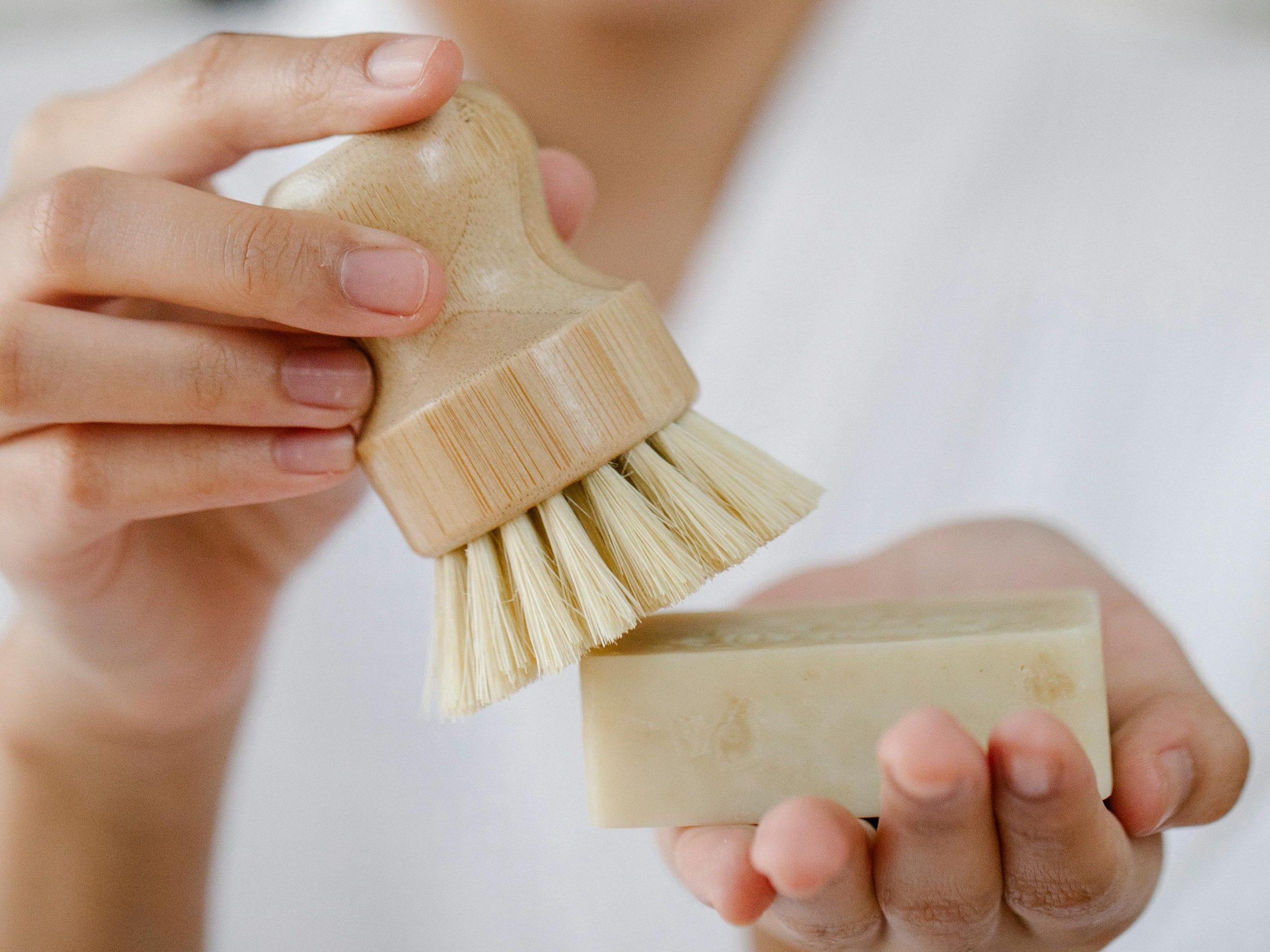
To embark on a successful dry brushing journey, you’ll need the right tools and techniques. Opt for a brush with natural bristles and a long handle for optimal reach. May we suggest, UMA Lymphatic Detox Dry Brush? Start from your feet and work your way up in gentle, circular motions, always moving towards your heart. Remember to adjust the pressure based on the thickness of your skin and avoid sensitive areas or those with existing skin issues.

Here is a dry brushing guide: 

Dry Brushing is the Simple Wellness Booster you Need 

4

DON’T UNDERESTIMATE: PRE- DRY BRUSHING RITUALS 

Now, let’s dive into the essential pre-dry brushing rituals that you simply can’t afford to skip:

1. Choose the Right Products: Incorporating body oils like UMA Absolute Anti Aging Body Oil or UMA Citron Glow Body Oil can enhance the dry brushing experience. These oils not only provide lubrication for smoother strokes but also offer additional skincare benefits, nourishing and hydrating the skin.

2. Focus on Lymphatic Drainage: Prioritize UMA Lymphatic Drainage Dry Brushing to optimize the detoxification process. This specialized technique targets the lymphatic system, aiding in the removal of toxins and promoting overall wellness.

WHAT IS LYMPHATIC DRAINAGE?

Lymphatic drainage refers to the process by which the lymphatic system works to drain excess tissue fluid back into circulation. The lymphatic system comprises lymphatic vessels, lymphatic organs, lymph nodes, and lymphoid tissue scattered throughout the connective tissue. Lymph, which is essentially tissue fluid, circulates through these lymphatic channels, facilitating the removal of waste products and maintaining fluid balance within the body.

Lymphatic Drainage 2023

3. Establish a Routine: Consistency is key when it comes to dry brushing. Set aside dedicated time in your schedule for this ritual, whether it’s a few times a week or daily. By making dry brushing a regular part of your skincare routine, you’ll maximize its benefits over time.

5

DON’T OVERDO IT 

Dry brushing might seem like a miracle worker, but moderation is key. Start slow, with just once or thrice a week, and gradually increase the frequency as your skin adjusts. And if your skin starts showing signs of irritation, dial it back or consult a dermatologist.

6

DON’T FORGET: POST-DRY BRUSHING CARE  

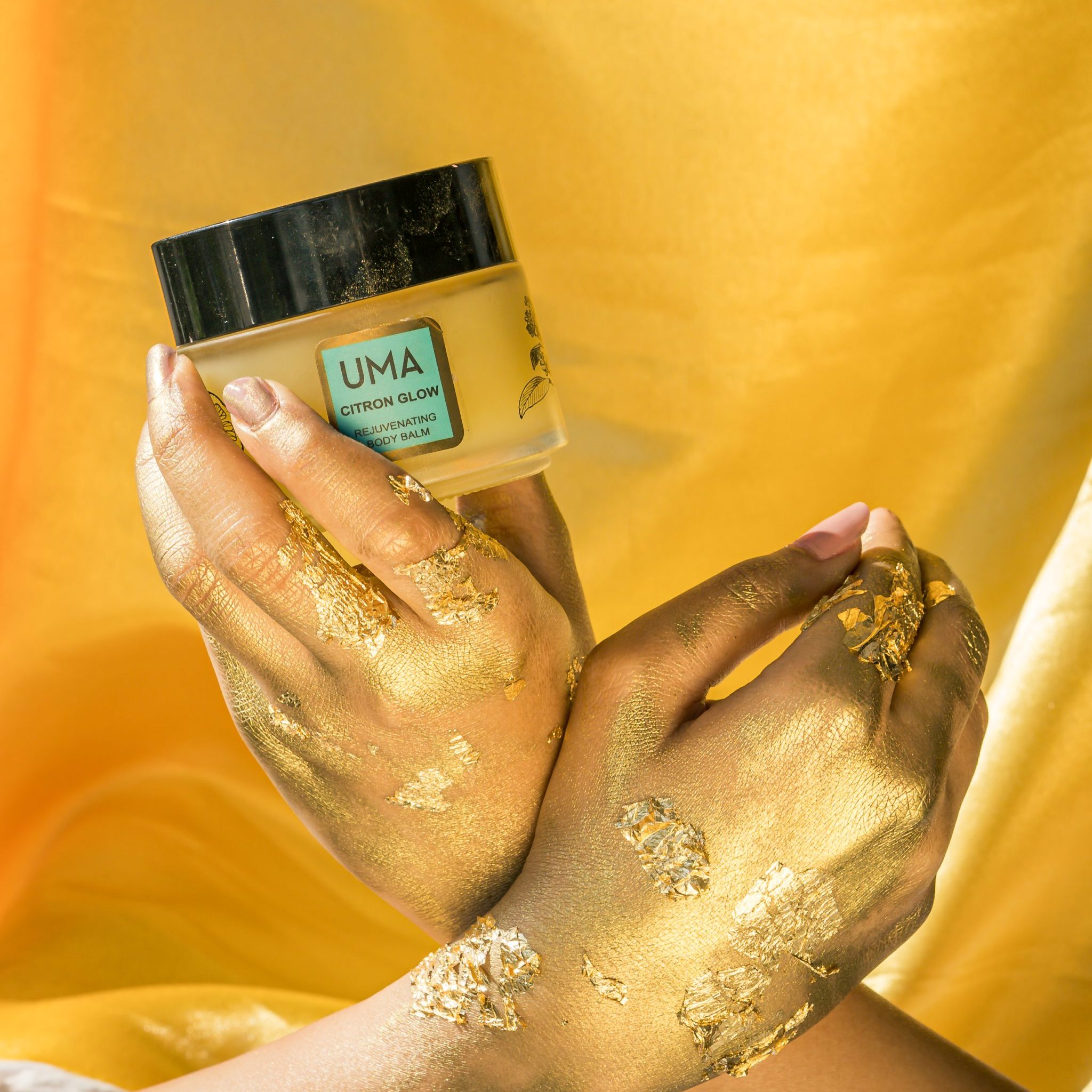
Once you’ve completed your dry brushing session, don’t neglect post-brushing care. Follow up with a cool shower to rinse off dead skin cells, then moisturize your skin with natural plant oils or hydrating balms. May we suggest UMA Absolute Anti Aging Body Balm or UMA Citron Glow Body Balm? This step helps replenish moisture and seals in the benefits of dry brushing, leaving your skin soft, smooth and rejuvenated.

7

DON’T BRUSH ASIDE HYGIENE 

Your dry brush is your skin’s best friend, but only if it’s clean. Rinse your brush after each use and let it dry in a well-ventilated area to prevent mold or mildew. Give it a good cleaning with soap and water at least once a week to keep bacteria at bay.

In conclusion, dry brushing can be a transformative addition to your skincare routine, but only if you approach it with the proper preparation and care. By following these pre-dry brushing rituals and heeding our “don’ts” guide, you’ll set yourself up for a rewarding and fulfilling dry brushing experience. So, before you pick up that brush, remember: don’t skip the preparation steps—you’ll regret it!

5 HERBAL ALLIES FOR SPRING DIGESTION: A GUIDE TO SEASONAL TEAS

As spring unfolds its vibrant colors and fragrances, our bodies often crave a refreshing change. Just as nature undergoes a renewal, so too can our digestive systems benefit from a rejuvenating touch. Enter herbal teas—elixirs of nature that not only tantalize our taste buds but also promote digestion and soothe the digestive system. In this guide, we’ll explore some herbal allies perfect for springtime, each offering a unique blend of flavors and health benefits.

PEPPERMINT PUNCH

Peppermint is a green herb from the Mentha piperita plant, celebrated for its refreshing flavor and digestive prowess. A 2018 Study has shown that menthol, a compound in peppermint, can improve digestive issues. Peppermint oil, known for its effectiveness against irritable bowel syndrome (IBS), has demonstrated remarkable results in clinical trials. To harness the digestive benefits of peppermint, consider making a simple peppermint tea:[1], [2], [3]

Recipe: Peppermint Tea

  • Ingredients: 7–10 fresh peppermint leaves or 1 peppermint tea bag, 1 cup (250 ml) boiled water
  • Instructions: Soak the leaves or tea bag in boiled water for 10 minutes, then strain and enjoy.

GINGER ZING 

Ginger, scientifically known as Zingiber officinale, boasts a rich history as a spice and medicinal herb. Compounds like gingerols and shogaols in ginger stimulate stomach contractions and emptying, making it an effective remedy for nausea, cramping, and indigestion. A daily dose of ginger has been shown in a 2019 study to alleviate nausea and vomiting caused by various factors. To incorporate ginger into your routine, try this simple ginger tea recipe: [4], [5], [6]

Recipe: Ginger Tea

  • Ingredients: 2 tablespoons (28 grams) sliced ginger root, 2 cups (500 ml) water
  • Instructions: Boil ginger in water for 10–20 minutes, strain, and sip your way to digestive bliss.

 BLACK TEA BLISS 

Black tea, derived from the Camellia sinensis plant, is a versatile beverage often blended with other plants to create delightful varieties like English Breakfast and Earl Grey. Black tea contains thearubigins, which may aid digestion, and theaflavins, powerful antioxidants that can protect against stomach ulcers. To enjoy the digestive benefits of black tea, try this simple recipe: [7], [8], [9

Recipe: Black Tea

  • Ingredients: 1 black tea bag, 1 cup (250 ml) boiled water
  • Instructions: Steep the tea bag in boiled water for 5–10 minutes, then savor the comforting notes of black tea.

FENNEL FUSION 

With its licorice-like taste, Fennel emerges as a digestive ally from the Foeniculum vulgare plant. Animal studies suggest that fennel can prevent stomach ulcers, thanks to its antioxidant compounds. Additionally, fennel may relieve constipation and promote bowel movements, making it a versatile herb for digestive health. Try making fennel tea with this straightforward recipe: [10], [11

Recipe: Fennel Tea

  • Ingredients: 1 teaspoon (4 grams) fennel seeds, 1 cup (250 ml) boiled water
  • Instructions: Pour boiled water over fennel seeds, sit for 5–10 minutes, strain, and enjoy the soothing taste of fennel tea.

CUMIN, CORIANDER AND FENNEL (CFF) TEA 

A classic yogic and Ayurvedic concoction, Cumin, Coriander, and Fennel Tea offer a triple threat to digestive troubles. These spices not only reduce inflammation but also enhance nutrient absorption and boost digestive fire. 

Recipe: CCF Tea

  • Ingredients: 1 liter water, 1 tsp cumin seeds, 1 tsp coriander seeds, 1 tsp fennel seeds, 1 tsp honey (optional)
  • Instructions: Boil water with spices for 15 minutes, strain into a mug or flask, and sip throughout the day. Add honey for sweetness.

SAFETY PRECAUTIONS

While herbal teas are generally safe, it’s crucial to exercise caution. Some teas may not be suitable for children, or pregnant or lactating women. Additionally, herbs can interact with medications, and excessive consumption may lead to unwanted side effects. Start with a low dose when trying a new herbal tea and consult your doctor if you have existing health conditions or are on medications.

As you embrace the beauty of spring, let these herbal allies accompany you on your journey to improved digestion and overall well-being. Sip, savor, and let nature’s bounty work its magic within you.

*UMA does not encourage animal testing; we are a cruelty-free, PETA-supporting company dedicated to ethical practices